


Losing your freedom without proper legal justification can leave lasting scars. Even a short stop can cost a person a day of work, a job, a reputation, or peace of mind, and a wrongful arrest can ripple through a family for years. Many victims are unsure whether what happened to them was an unlawful detainment, a wrongful arrest, or both. The distinction matters because it shapes the legal claim and the compensation that may be available. In Los Angeles County, where stops by city police, sheriff’s deputies, and other agencies are common, victims often describe the same experience: they were told they were free to go, yet held, handcuffed, and questioned for hours. Others were arrested at home, at work, or outside a store without any warrant or clear explanation.

Detention vs. Arrest
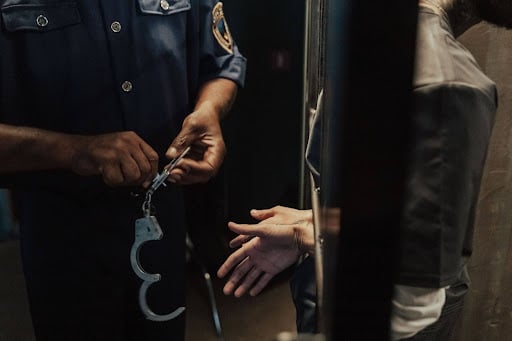
A detention is a temporary stop for investigation. Officers need reasonable suspicion, meaning specific facts suggesting criminal activity, and the stop must last no longer than necessary. An arrest is a much greater restraint on freedom and requires probable cause. Courts weigh the length of the stop, the use of handcuffs, and whether you were moved. You can read about these brief stops in Cornell Law’s explanation of investigatory stops. A detention can become an arrest in practice if it grows too intrusive without probable cause. Factors include whether officers took your ID, moved you to a patrol car, or told you that you were not free to leave.
What Constitutes Unlawful Detention
A detention is unlawful when officers hold you without reasonable suspicion, keep you far longer than needed, or use a stop as an excuse for an unrelated search. Examples include holding a driver after a ticket is written to wait for a drug dog, or detaining someone because of where they live or how they look. Our guide on suing for being wrongfully detained in California goes deeper on these cases.
When an Arrest May Be Wrongful
An arrest may be wrongful when officers lacked probable cause, relied on false or fabricated information, arrested the wrong person, or ignored evidence showing innocence. A case dismissal, a declined prosecution, or an acquittal does not automatically prove the arrest was wrongful, but it can be important evidence. Victims in Los Angeles also sometimes face immunity defenses from officers, which makes careful case preparation especially important. The key question is what the officer knew at the moment of the arrest. Honest mistakes can sometimes be excused, but fabricated reports, ignored alibis, and arrests based on nothing more than a hunch cannot. California law also requires officers to bring arrested people before a judge promptly, generally within 48 hours, and unreasonable delay can create its own claim.

Potential Damages and Compensation
Compensation depends on the facts. Victims may recover for the time they were held, lost wages, legal fees spent defending related charges, medical or counseling costs, emotional distress, and harm to their reputation. In cases of malicious or reckless conduct, punitive damages may be possible. Claims can be brought under Section 1983, California’s Bane Act, and state law theories. Learn more about our wrongful arrest practice. Every case is different, so there is no fixed amount. Outcomes range widely, from modest amounts for short detentions to substantial sums when the arrest led to jail time, job loss, or lasting emotional harm.
Evidence That Can Help Support a Claim
Strong evidence includes police reports, body camera and dash camera footage, booking records, witness statements, photographs, medical and counseling records, and documents showing the outcome of any criminal case. Receipts, pay stubs, and employer letters help prove financial losses. Dismissal papers, court minute orders, and any notice that charges were declined can also show how the criminal matter ended, which often becomes important in the civil case. Write down your own account while it is fresh, and avoid posting about the incident online. Because government claim deadlines can be as short as six months, gathering this evidence early protects your options. Even small details, like the time you were released or the name of the officer who processed you, can help an attorney reconstruct the timeline.
If you believe you were unlawfully detained or wrongfully arrested in Los Angeles, Kirakosian Law can evaluate your case and explain your legal options. Contact us for a free, confidential case review. There is no fee unless we win.